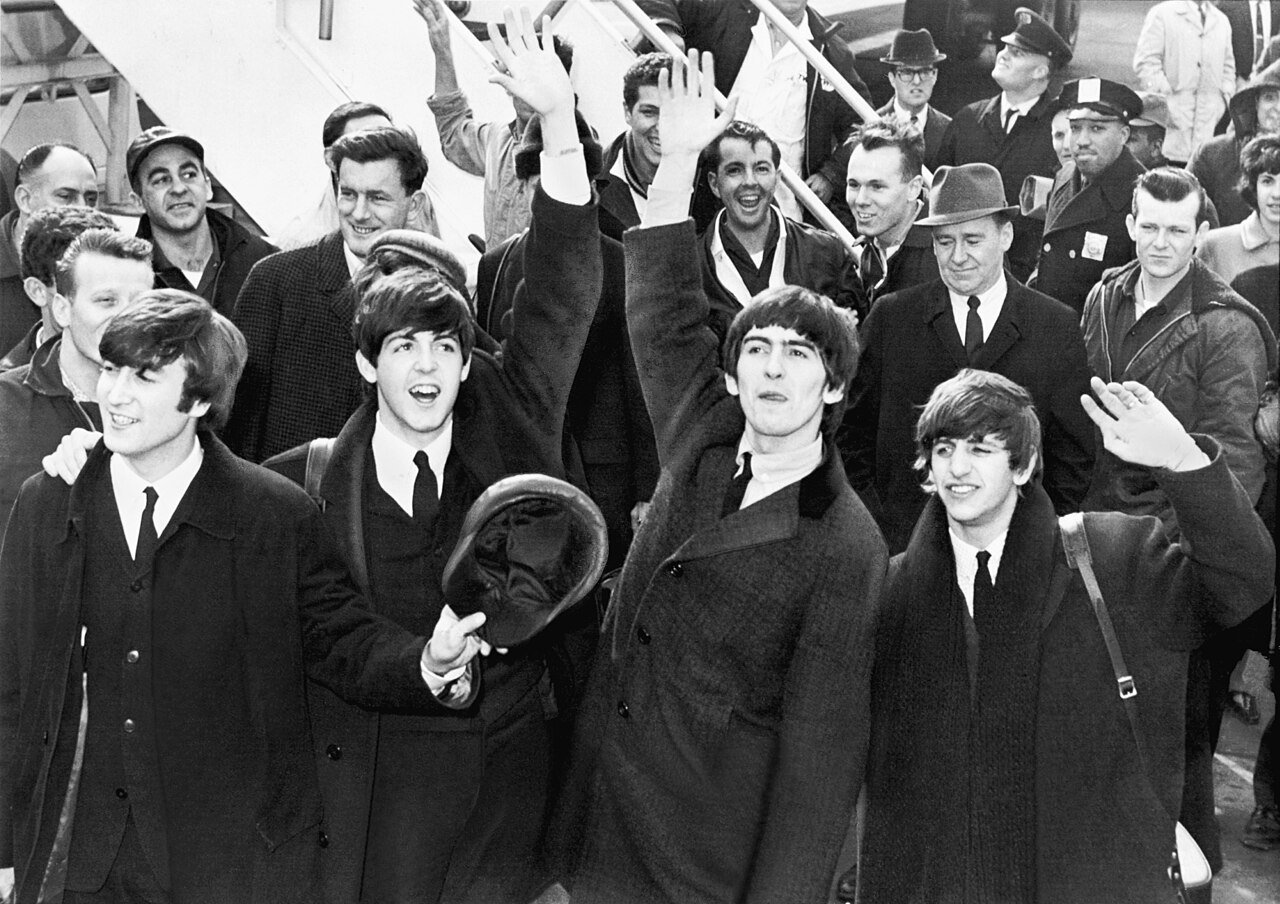
The Beatles wave to fans at Kennedy Airport, February 7, 1964. Photo: United Press International, public domain, via Wikimedia Commons
Every decade gets flattened into a few images. With the 1960s the images are unusually sharp, because so much of the decade happened on television, in front of more people at once than anything before it.
These are six moments that people who lived through them still bring up, and that the rest of us keep running into without always knowing where they came from.
A debate decided by a camera
On September 26, 1960, John F. Kennedy and Richard Nixon held the first televised presidential debate. Around 70 million Americans watched. Nixon had been ill, looked pale and refused proper makeup; Kennedy had a tan and looked straight into the camera.
The well-known story is that radio listeners thought Nixon won while TV viewers picked Kennedy. Historians argue about how solid the evidence for that really is. What nobody argues about is that candidates have worried about how they look on screen ever since.
Four young men at an airport
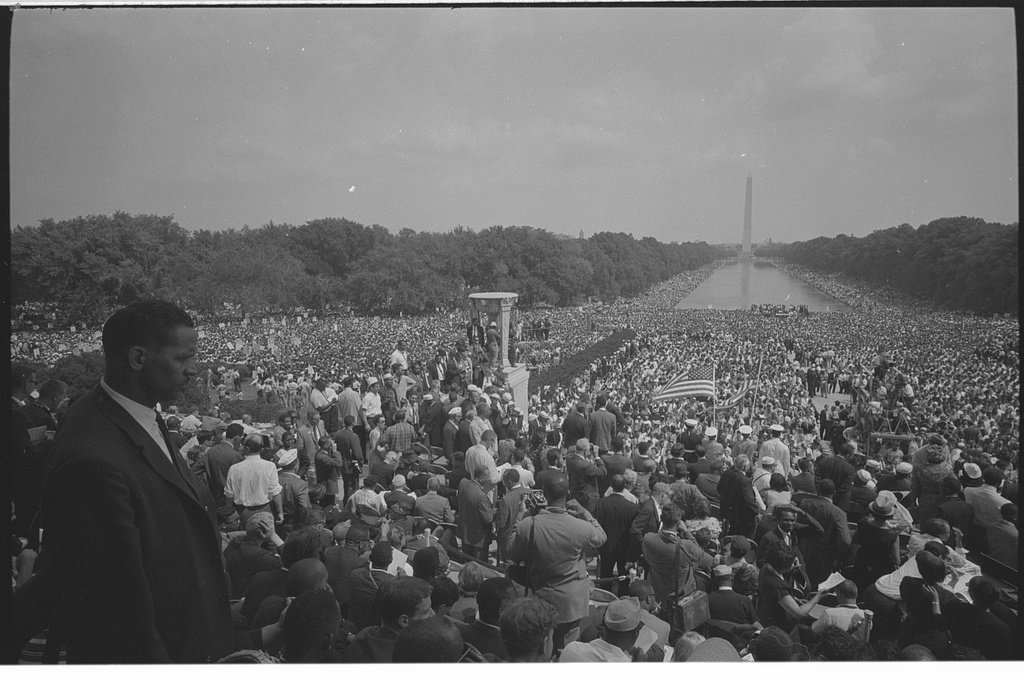
The crowd stretching from the Lincoln Memorial to the Washington Monument, August 28, 1963. Photo: Warren K. Leffler, Library of Congress, public domain, via Wikimedia Commons
On February 7, 1964, the Beatles landed at New York's newly renamed Kennedy Airport to a crowd of screaming fans. Two days later they played The Ed Sullivan Show to an audience of roughly 73 million people, one of the largest in television history at that point.
The arrival was partly stage-managed by their record label, which had promoted it heavily. It worked anyway. The British Invasion that followed rewired American pop music, and the template (the hysterical crowd, the press conference, the TV debut) is still how a big act breaks in a new country.
A quarter of a million people in Washington
On August 28, 1963, about 250,000 people gathered at the Lincoln Memorial for the March on Washington for Jobs and Freedom. Martin Luther King Jr. spoke near the end of a long day, and the "I Have a Dream" passage was partly improvised; it was not in his prepared text.
The march helped build the pressure that produced the Civil Rights Act of 1964 and the Voting Rights Act of 1965. It also set the model for the mass demonstration on the National Mall, which has been used by almost every movement since.
A hemline goes up
In London in the mid-1960s, designers including Mary Quant pushed skirts well above the knee. Quant named the miniskirt after her favorite car, the Mini, or so she said. Who invented it first is still argued about in fashion circles, and the French designer André Courrèges has a fair claim.
The point is less who did it than who wore it. For the first time, young women rather than Paris couture houses were setting what fashion looked like, and the industry has followed the street ever since.
A weekend on a farm
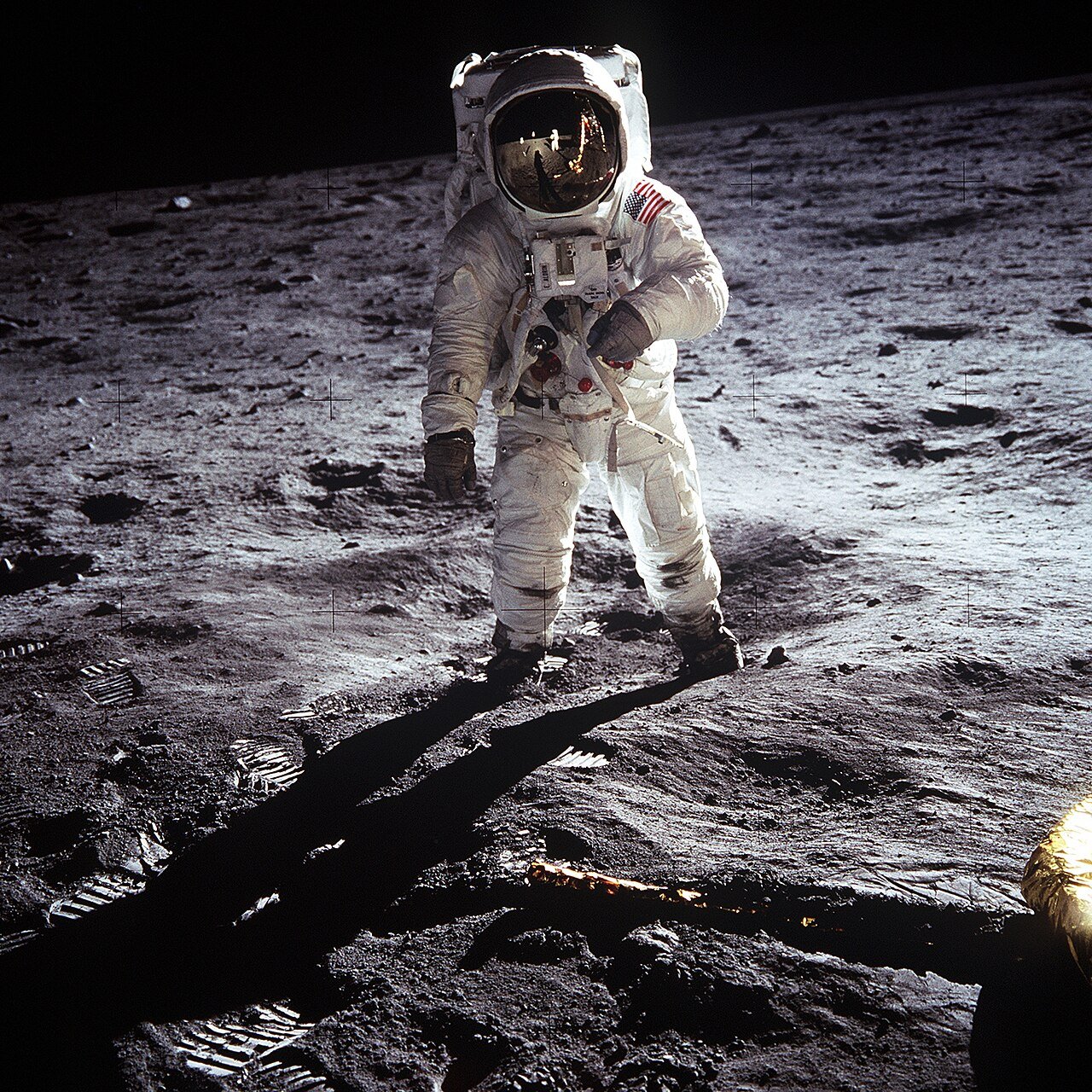
Buzz Aldrin on the Moon, July 20, 1969. Photo: Neil Armstrong, NASA, public domain, via Wikimedia Commons
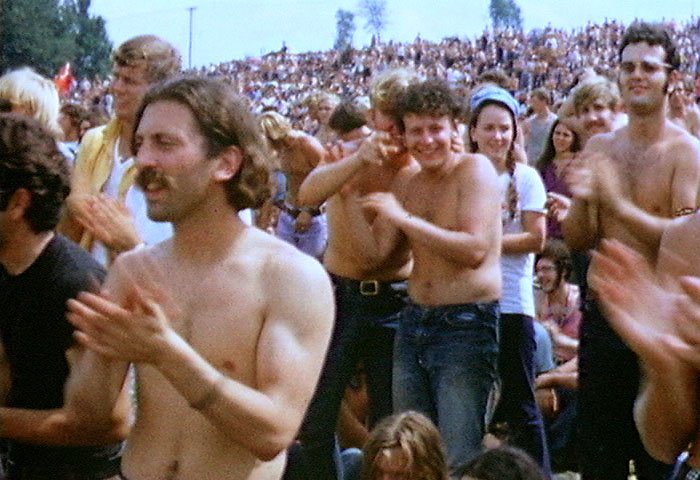
In August 1969 roughly 400,000 people turned up at a dairy farm in Bethel, New York, for the Woodstock festival. The fences failed, the food ran out and it rained. It still became the decade's shorthand for its own counterculture, and every large music festival since has been compared to it.
A footprint on the Moon
On July 20, 1969, Neil Armstrong and Buzz Aldrin landed on the Moon. The broadcast reached an estimated 600 million people around the world, a huge share of everyone who had access to a television.
It was the end of a race that had started with the Soviet Sputnik in 1957 and with Kennedy's 1961 promise to reach the Moon before the decade was out. Twelve people walked on the Moon between 1969 and 1972. Nobody has been back since, which is the part of this list I find hardest to explain to younger readers.
What stayed
Look at the six together and the common thread is the screen. The 1960s were the first decade watched live by a mass audience, and the habits it formed (the televised debate, the fan frenzy, the march staged for cameras, the live global event) are still the ones we use.
Enjoyed this story?Get a new one every day on social.