American Soldier Stole a 300-Year-Old Painting During World War II and it Finally Made a Peculiar Journey Back Home

World War II artifacts have been recovered in some peculiar places. After almost eight decades, this particular piece of World War II artwork with profound historical significance has been recovered and returned to its rightful home in Germany.
Suspected to be taken by an American soldier during the tumultuous times of World War II, this painting's return highlights a determination and commitment to cultural preservation.
The Artwork's Disappearance in 1945
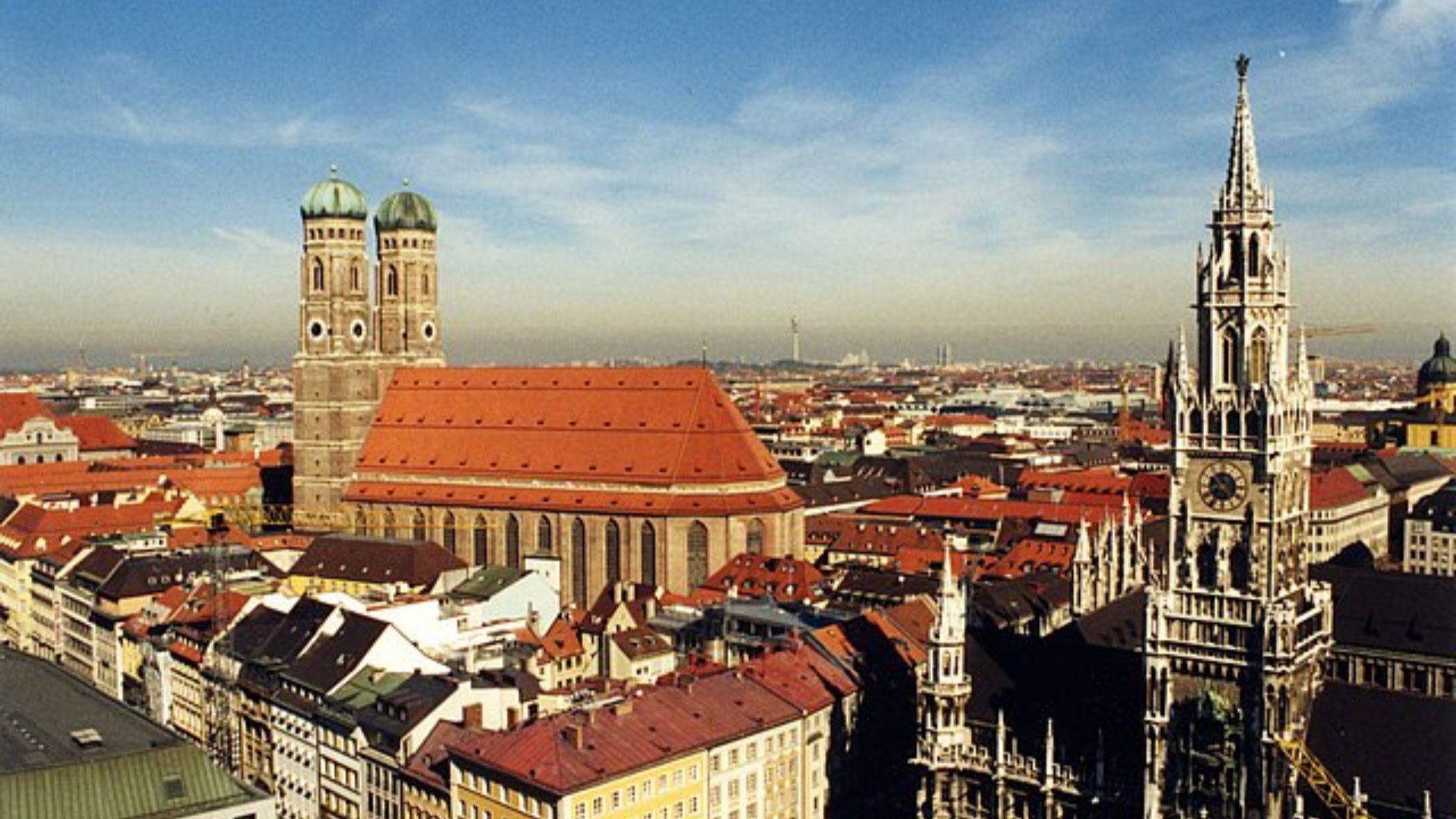
In the immediate aftermath of World War II, the Bavarian State Paintings Collections in Munich lamented the loss of "Landscape of Italian Character."
The depth of this artwork's historical and cultural value accentuated the gravity of its absence, propelling the quest for its retrieval.
The Artist Behind the Work
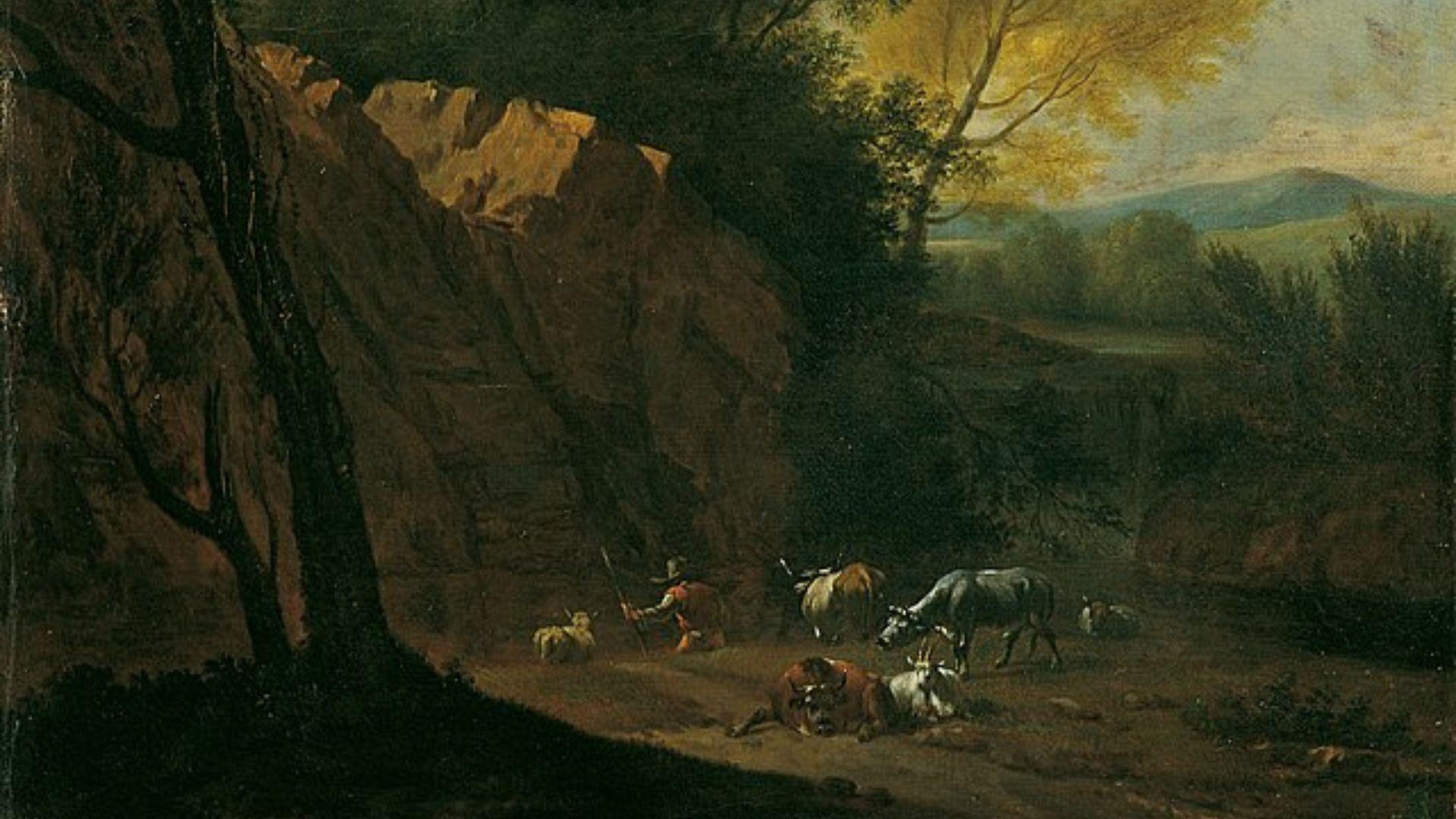
With a history spanning over three centuries, the artwork came from the creative brilliance of Johann Franz Nepomuk Lauterer, a renowned artist from Vienna.
The undisclosed financial value of the painting might be a topic of debate, but its historical significance is indisputable and universally acknowledged.
The Painting Resurfaces in Chicago

After vanishing for years, the painting surprisingly emerged in Chicago in 2011, unveiling a fragment of its mysterious journey.
This unexpected revelation in the Windy City breathed new life into this narrative, unfolding more pieces of the artwork's storied past.
Chicago Resident Shares Key Information
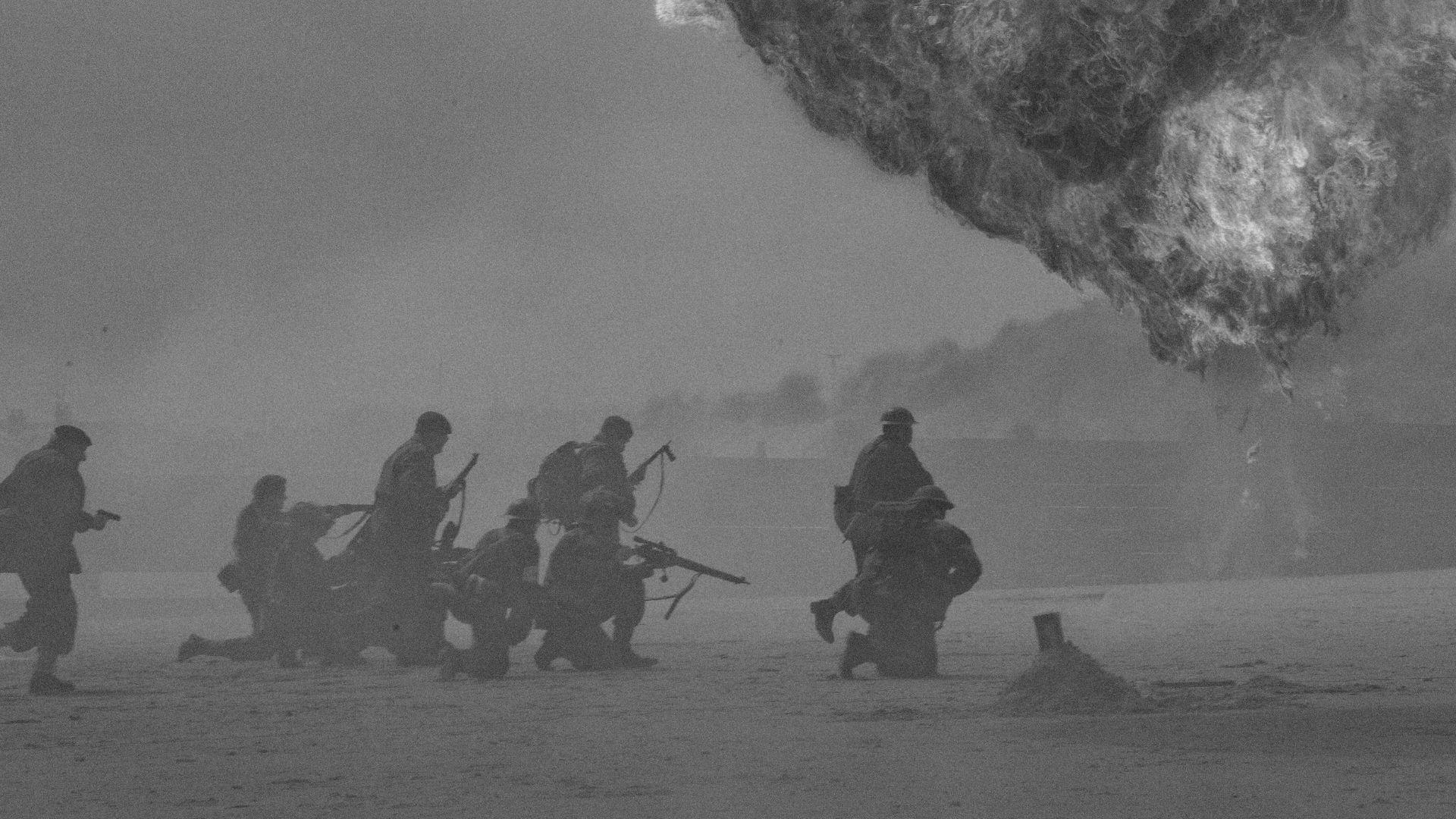
A breakthrough came in 2022 when a Chicagoan approached Art Recovery International with a revelation.
They pointed to their deceased uncle, a World War II veteran, as a possible custodian of the artwork at one time. This crucial piece of information offered a direct link to the painting's puzzling post-war journey.
Art Recovery International's Decision on the Reward

The informant hoped for a "finder's fee" from Art Recovery International for this invaluable lead. The organization, however, took a principled stand.
They asserted their policy of not providing financial rewards for the return of stolen artworks, particularly given the dubious nature of its acquisition.
A Prior Effort to Auction the Painting in Chicago

Christopher Marinello, representing Art Recovery International, highlighted an intriguing event from the past.
It appears someone, presumably the Chicago informant, made a daring attempt to auction the painting back in 2011. On discovering its stolen lineage, the individual promptly retreated, choosing anonymity over confrontation.
Establishing the Painting's Authenticity
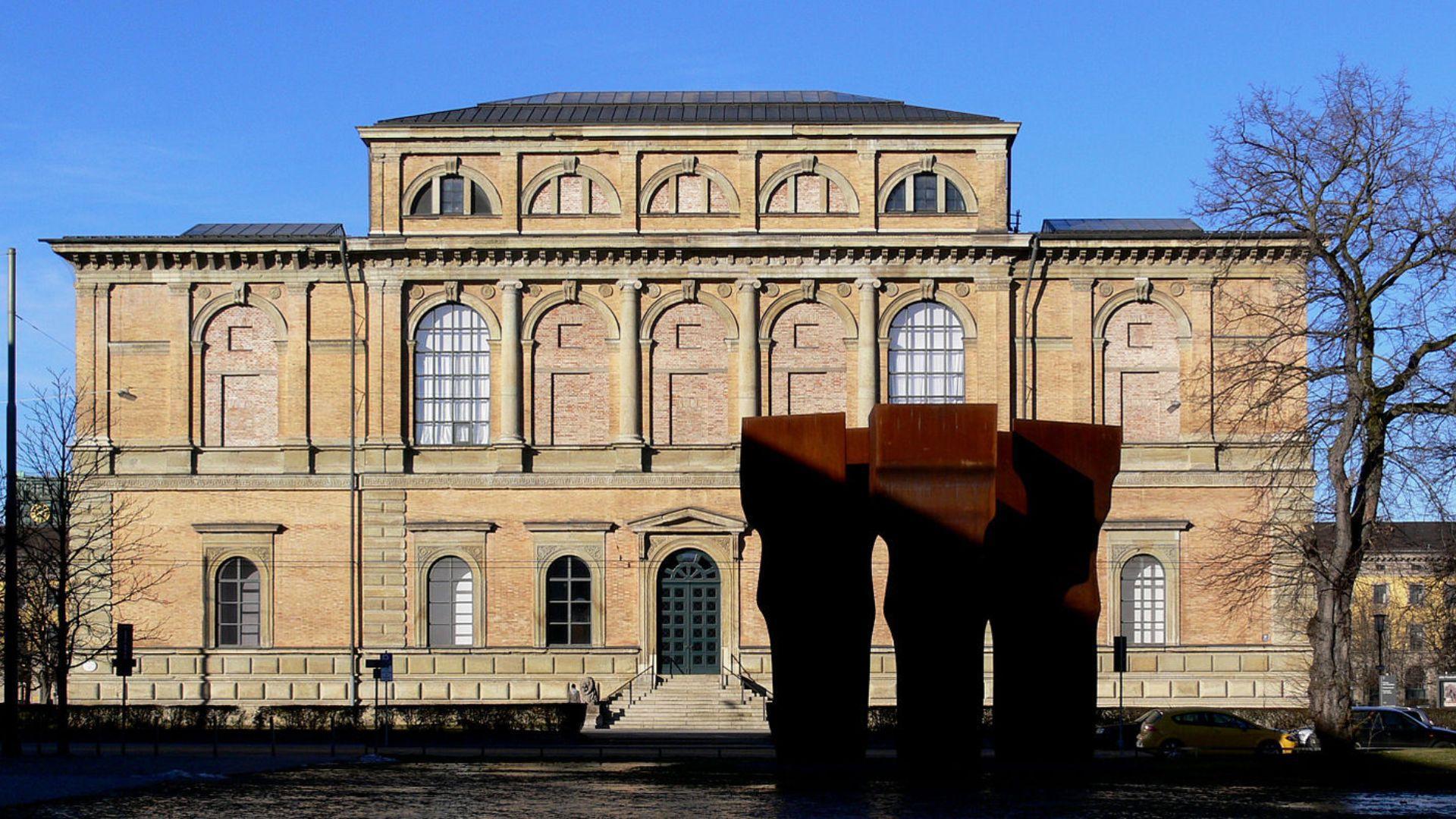
Ensuring authenticity was paramount.
In 2022, through rigorous verification processes, a collaboration between the esteemed Alte Pinakothek and the experts at Art Recovery International confirmed without a shadow of doubt that the painting was genuinely Lauterer's work.
Plans for the Painting's Display
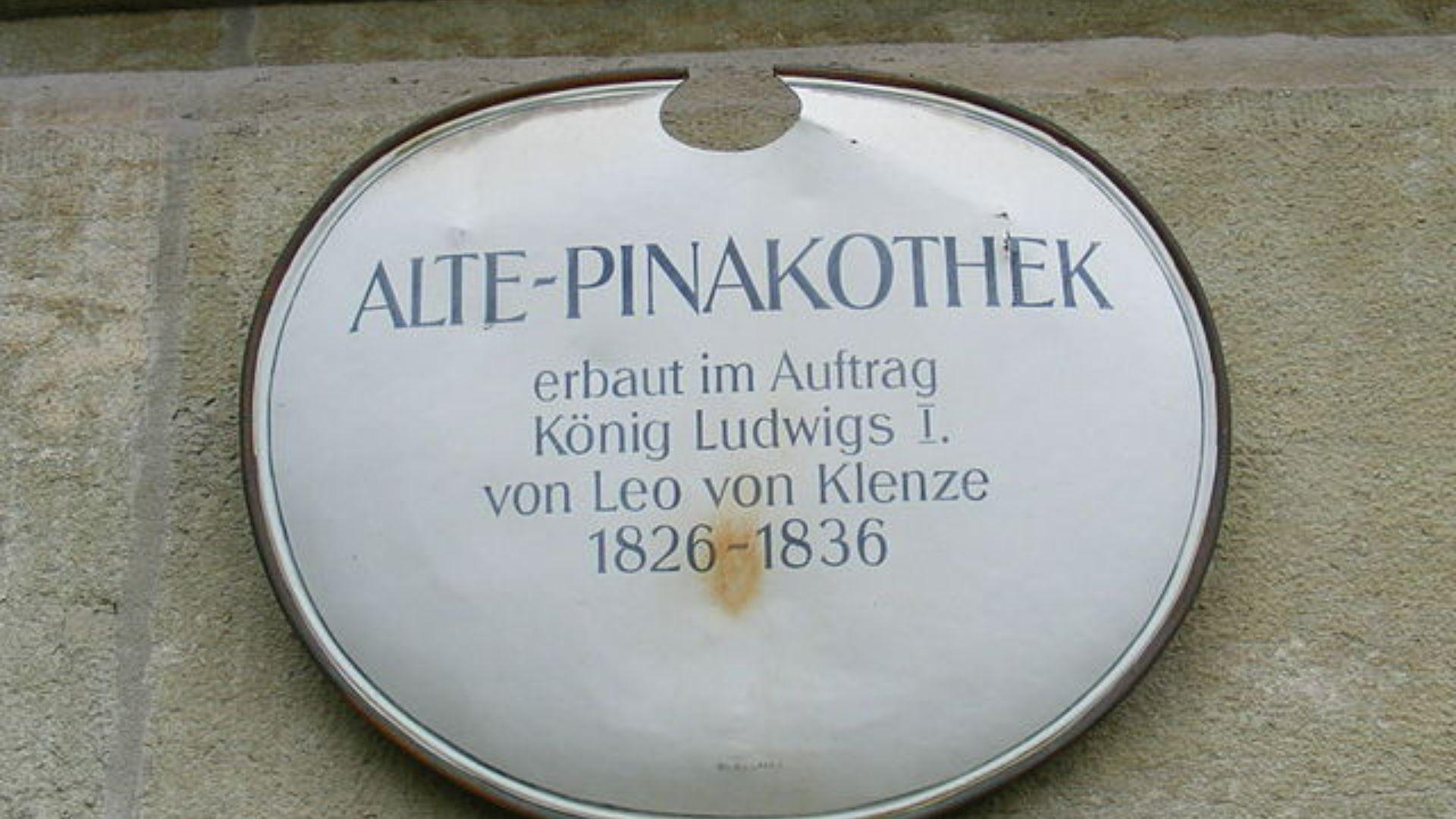
Now safely ensconced in its homeland, the Alte Pinakothek has plans to proudly display the painting.
It will be showcased in close proximity to another of Lauterer's masterpieces, providing enthusiasts a splendid opportunity to witness and compare his unique artistic imprints.
Previous Recoveries of Stolen Artworks

The retrieval of stolen art isn't new. Over the years, there have been successful recoveries, particularly of art pilfered by US soldiers during World War II.
A notable instance was in 2015, when the FBI played a central role in returning three artworks to a museum in Dessau, demonstrating the commitment to right historical wrongs.
The FBI's Involvement and Response

Recognizing the importance of the situation, Art Recovery International sought the specialized expertise of the FBI's art-crime team.
Their collaborative efforts were instrumental in the painting's recovery. As of now, the Bureau has opted for discretion, refraining from making public statements on the incident.
Closing the Chapter of a Lengthy Art Journey
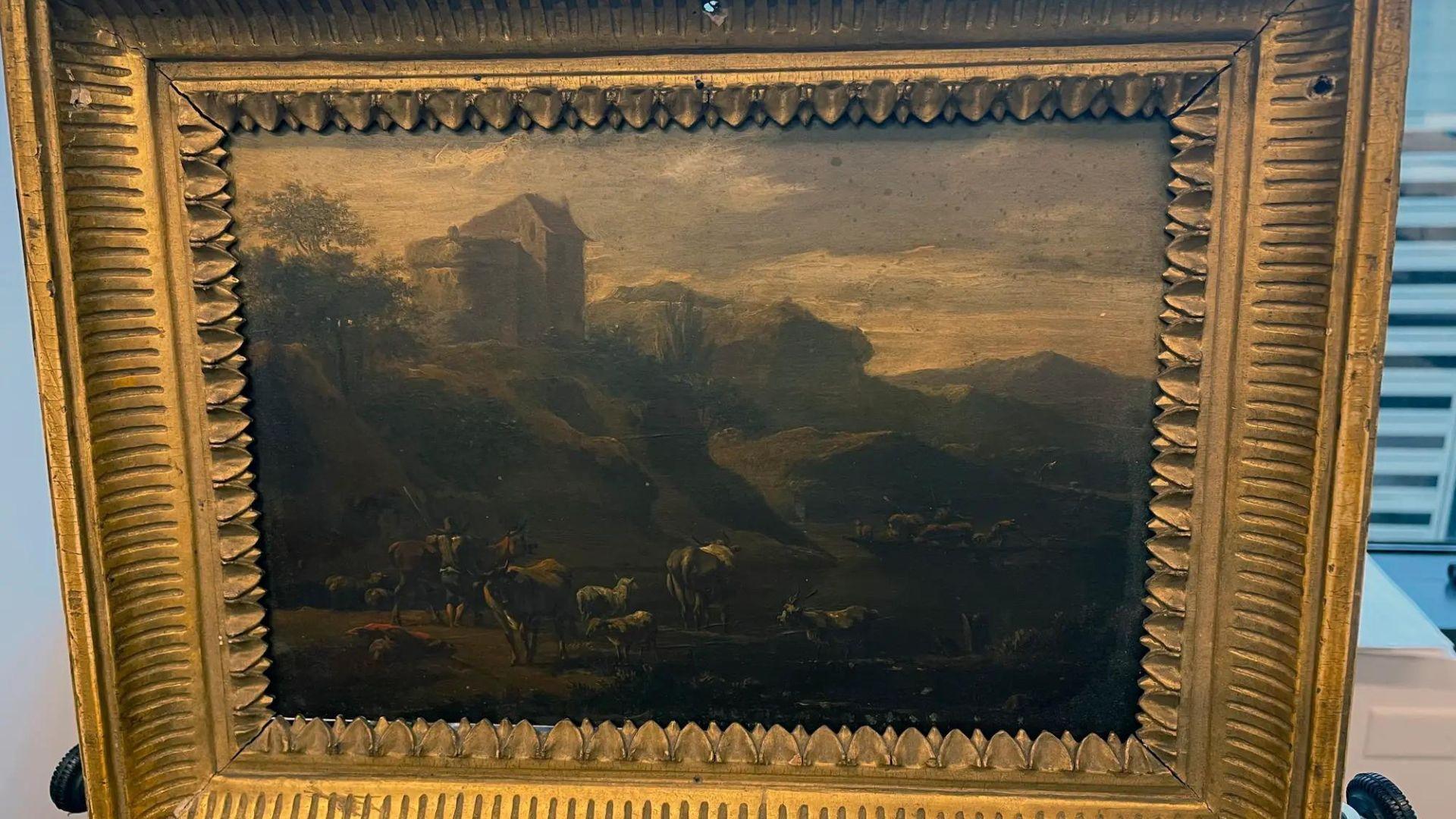
The triumphant return of "Landscape of Italian Character" closes a chapter filled with mystery, intrigue, and perseverance.
This story, spanning nearly eight decades, emphasizes the tireless endeavors of individuals and institutions dedicated to ensuring that stolen cultural treasures are restored to their original sanctuaries.